
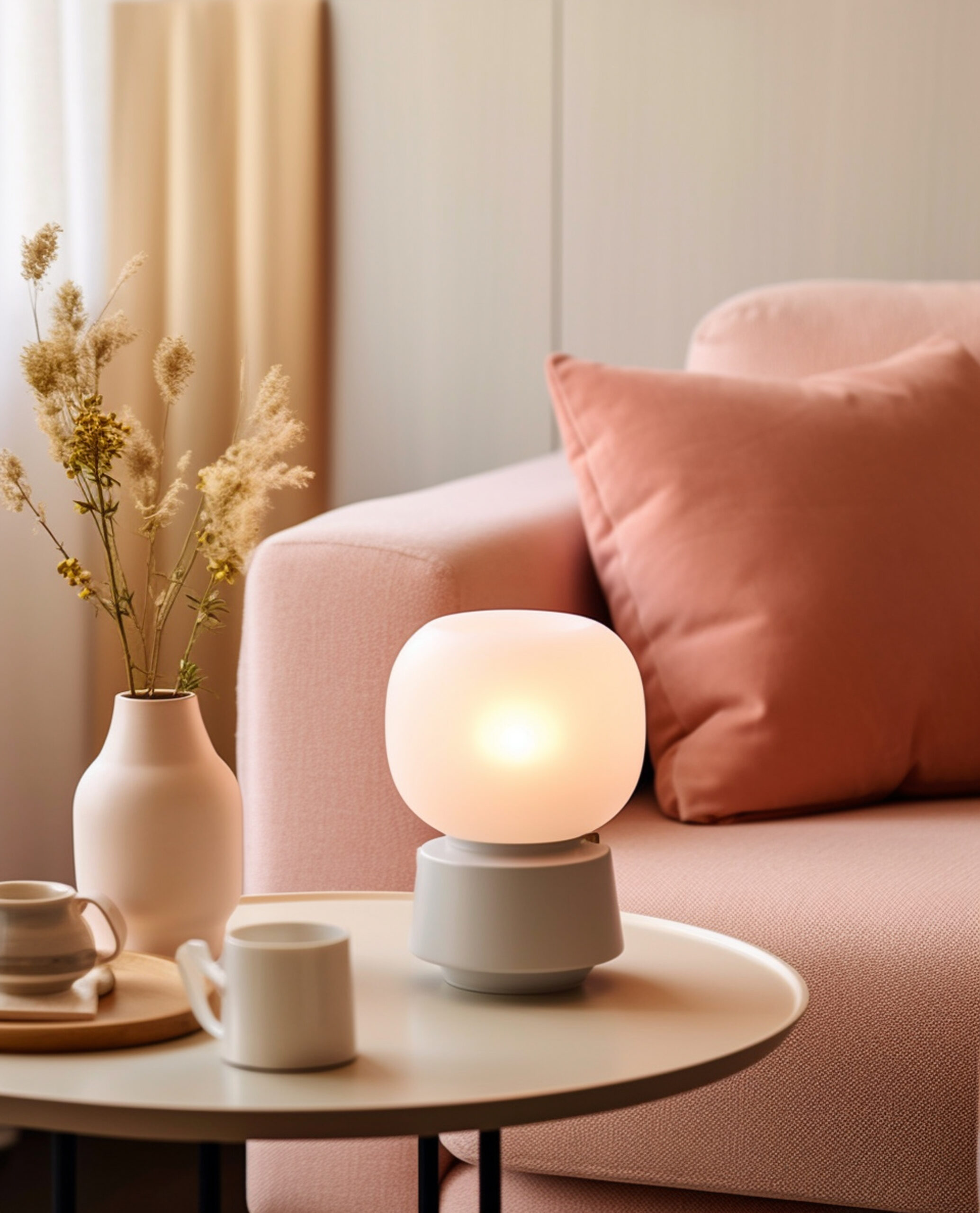
ighting is one of the easiest ways to completely change the mood of a space — but it’s also one of the most overlooked. The right lighting can make a small room feel bigger, a dark corner feel cozy, or a workspace feel energizing. Here’s how to pick lighting that makes every room shine.
1. Layer Your Lighting
Don’t rely on just one light source. Combine three layers:
- Ambient: the main light that fills the room.
- Task: focused light for reading, cooking, or working.
- Accent: small lights that highlight features or add mood.
2. Think About Color Temperature
- Warm light (2700–3000K) creates a cozy, relaxed atmosphere — great for bedrooms and living rooms.
- Cool light (4000–5000K) feels brighter and sharper — better for kitchens, bathrooms, and workspaces.
3. Use Dimmers for Flexibility
Installing dimmer switches (or using smart bulbs) lets you adjust brightness depending on the time of day and activity.
4. Size Matters
A too-small light fixture gets lost in a room, while an oversized one overwhelms the space. As a rule of thumb, add the room’s length + width (in feet) and convert that to inches for a proportional fixture size.
5. Highlight Features You Love
Use accent lighting — like wall sconces, under-cabinet strips, or picture lights — to draw attention to favorite design elements.
6. Don’t Forget Natural Light
The best lighting is free. Arrange furniture to maximize windows, use light curtains to diffuse brightness, and add mirrors to bounce natural light around.
Wrap-Up
Good lighting does more than brighten a room — it transforms it. By layering different types of light, choosing the right warmth, and adding accents where it matters most, you can make any space feel welcoming and functional.